
RELIABLE SOLUTION
Ballast water system control
Full control of the vessel's ballast system in real time. Environmental protection and crew safety.
PROBLEMS
Why is this important
Without a ballast water management system, a ship owner loses control over safety and risks facing serious consequences.
Vessel safety
Uncontrolled trim leads to increased fuel consumption, hull deformation and the risk of flooding.
Crew control
The lack of a monitoring system makes it impossible to track crew actions and analyze emergency situations.
Real-time control
Consequences of lack of control
Increased fuel consumption, body deformation, emergency situations.
WE'LL TELL YOU MORE DETAILS
The lowest price in all of Russia!
Do you have a commercial proposal with a price? Send it to us, and we guarantee the best price in Russia!
SYSTEM COMPOSITION
What does the solution include?
A comprehensive ballast water monitoring system for complete vessel safety control
Fill level accounting
Level sensors and pressure sensors in each ballast tank
Control of overflow operations
Real-time monitoring of ballast transfer between tanks
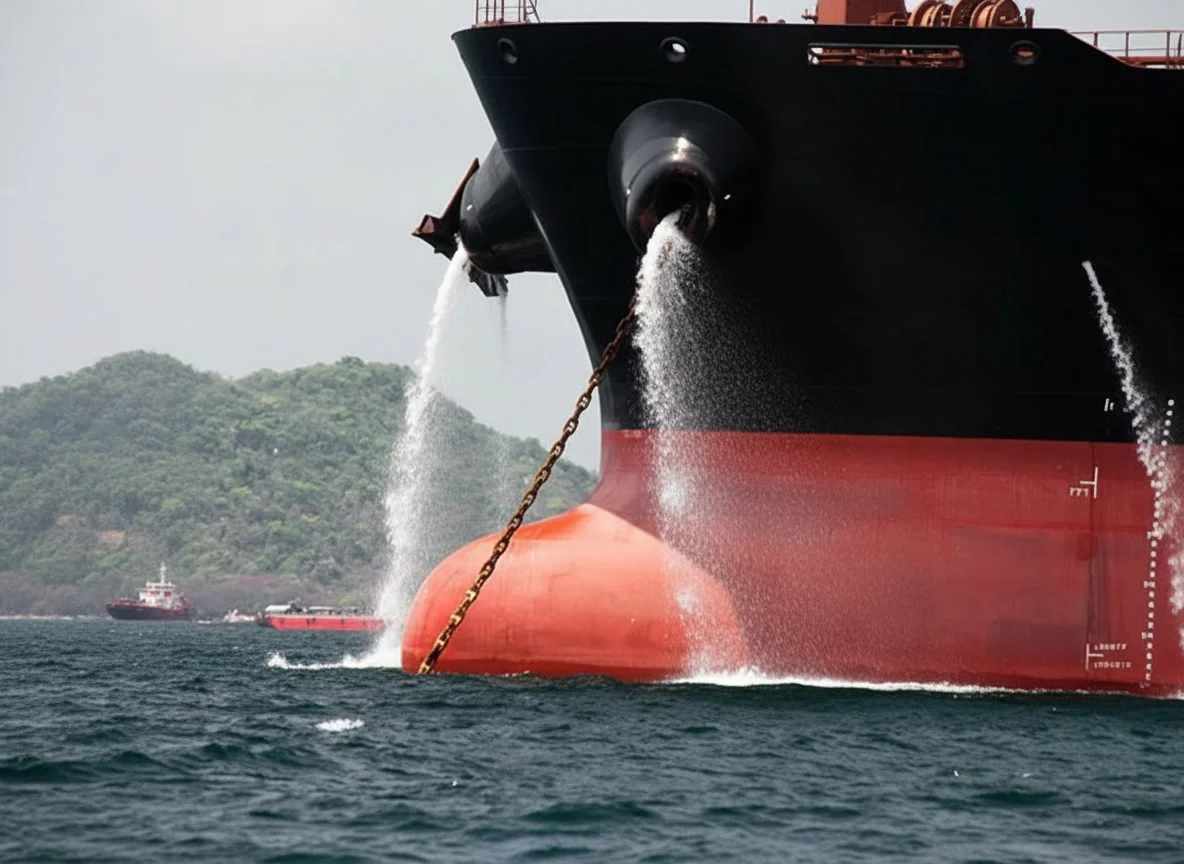
Ballast reception and discharge
Control of ballast water filling and discharge taking into account environmental requirements
DOTS Board
A modern crew interface with visualization of all system parameters
Online monitoring
The shipowner can see the readings in real time from anywhere in the world.
Notifications
Notifications of the start and end of operations, signaling on the vessel
DOTS Board — the brain of the system
The operator panel integrates data from all sensors and provides a user-friendly interface for monitoring the ballast system. Hydrostatic pressure sensors for all tanks, heel and trim sensors, and electromagnetic flow meters are connected to the DOTS Board.
-
Visualization of the level in each tank
-
Control of pump operation, production
-
Roll and trim data
-
History of all transactions
RELIABLE SOLUTION
Benefits for the shipowner
Investment in a monitoring system pays off with protection from costly accidents and fines.
Complete transparency
The shipowner and crew see the readings and operations of the ballast system
Crew control
Recording all actions for emergency response—the system operates as a “black box”
Accounting for operating time
Monitoring pump on/off and recording operating time for maintenance planning
Compliance with standards
Accident prevention
Early warning of emergency situations helps avoid serious consequences.
Cost reduction
Optimal trim control reduces fuel consumption and extends vessel life
LET'S DISCUSS YOUR
PROJECT?
EQUIPMENT
Types of sensors
We select the optimal sensor configuration for a specific vessel and the customer’s needs.
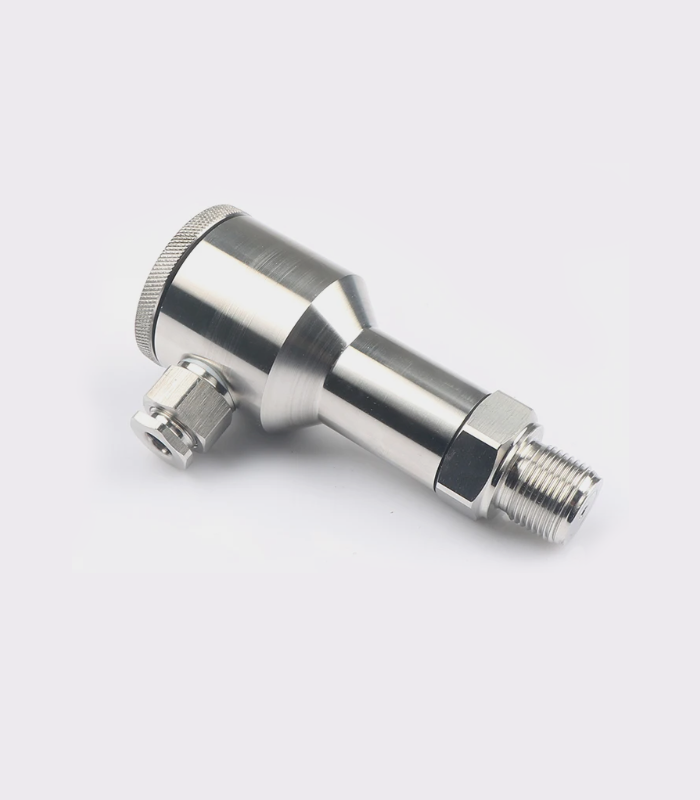
Embedded pressure sensors
Installed in the ballast tank, these reliable and easy-to-maintain gauges measure the hydrostatic pressure of the liquid.
-
High precision
-
Durability
-
Minimal maintenance
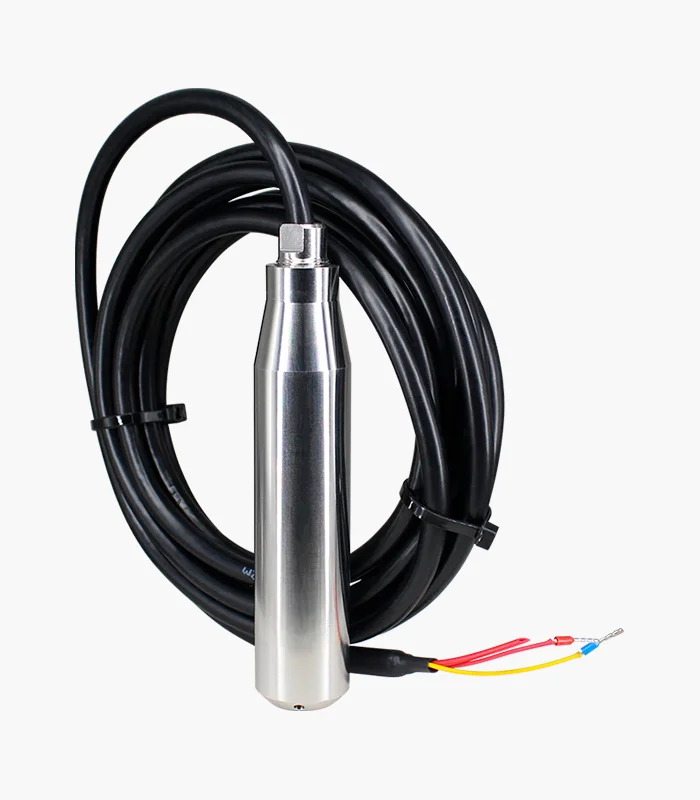
Submersible level sensors
They are installed in tanks. They require welding during installation and are calibrated on-site.
-
Easy installation
-
On-site calibration
-
Versatility
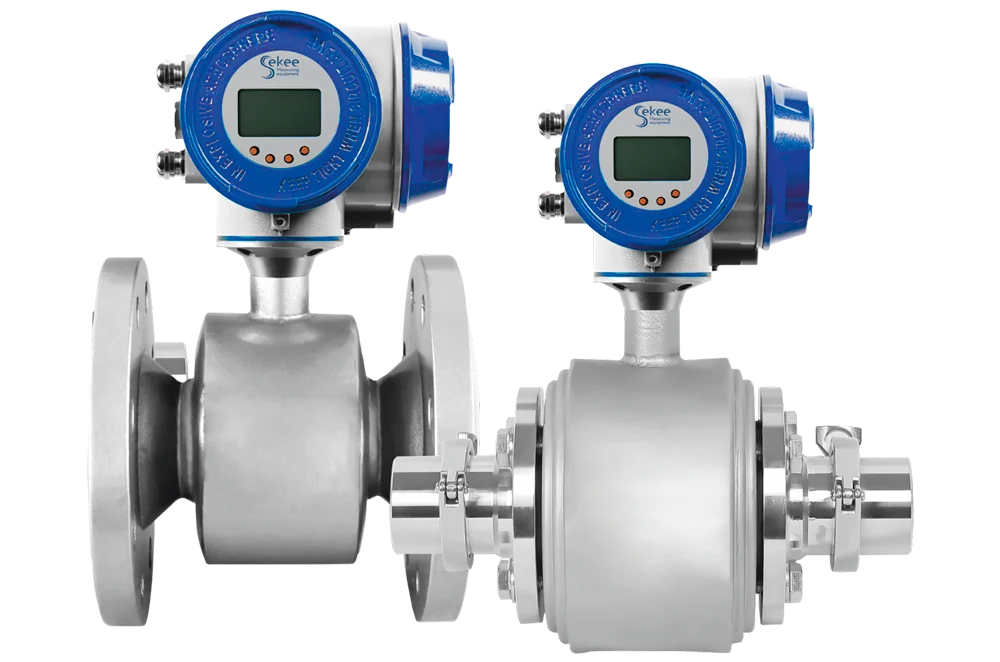
Electromagnetic flowmeters
Monitoring fluid flow between tanks. Allows you to track pump efficiency and fill time.
-
Flow control
-
Pump diagnostics
-
Volume accounting
INSTALLATION PROCESS
Installation stages
Phased installation, taking into account the vessel’s berthing schedule. Work can be performed during scheduled maintenance.
Design
Development of a system design taking into account the vessel's characteristics and the requirements of the classification society
Installation works
Installation of sensors, laying of cable routes, installation of the DOTS Board operator panel (supervision of installation is possible)
Submission to the registry
Submission of the system to the Register (RKO, RMRS) with amendments to the vessel's documentation (at the customer's request)
LET'S DISCUSS YOUR
PROJECT?
COMPARISON
Without a system / With a system
Parameter
- Data availability
- Ballast control control
- Reporting
- Implementation time
Without a system
- At the request of the operator/crew
- Manual mode (human factor)
- Upon request
- --
With the Technodar system
- In real time, 24/7
- Automatic mode
- At any time
- 2-4 weeks
Our experience
Why do people trust us?
Extensive experience in installing, commissioning and servicing marine systems worldwide
1000+
18
24/7
Whole world
Certified specialists
Our engineers have extensive experience working with fuel monitoring, inventory measurement, and vessel automation systems. Regular training and knowledge of the specifics of various vessel types guarantee high-quality inspections.
Get a consultation
Submit a request, and our specialists will contact you to discuss the project.
NPO Technodar
The company’s technical department specializes in the development and implementation of monitoring systems for maritime and river fleets.