

Case Studies of Monitoring and Automation Systems Implementation
Your colleagues are already successfully using fleet monitoring and automation systems.

We are trusted by companies that value accurate and reliable real-time data.
Completed
projects
Since 2006, the Technodar Group of Companies has been developing, producing, integrating, and supplying fuel consumption monitoring systems and satellite vehicle monitoring systems based on GPS, GLONASS, GSM, and GPRS technologies.
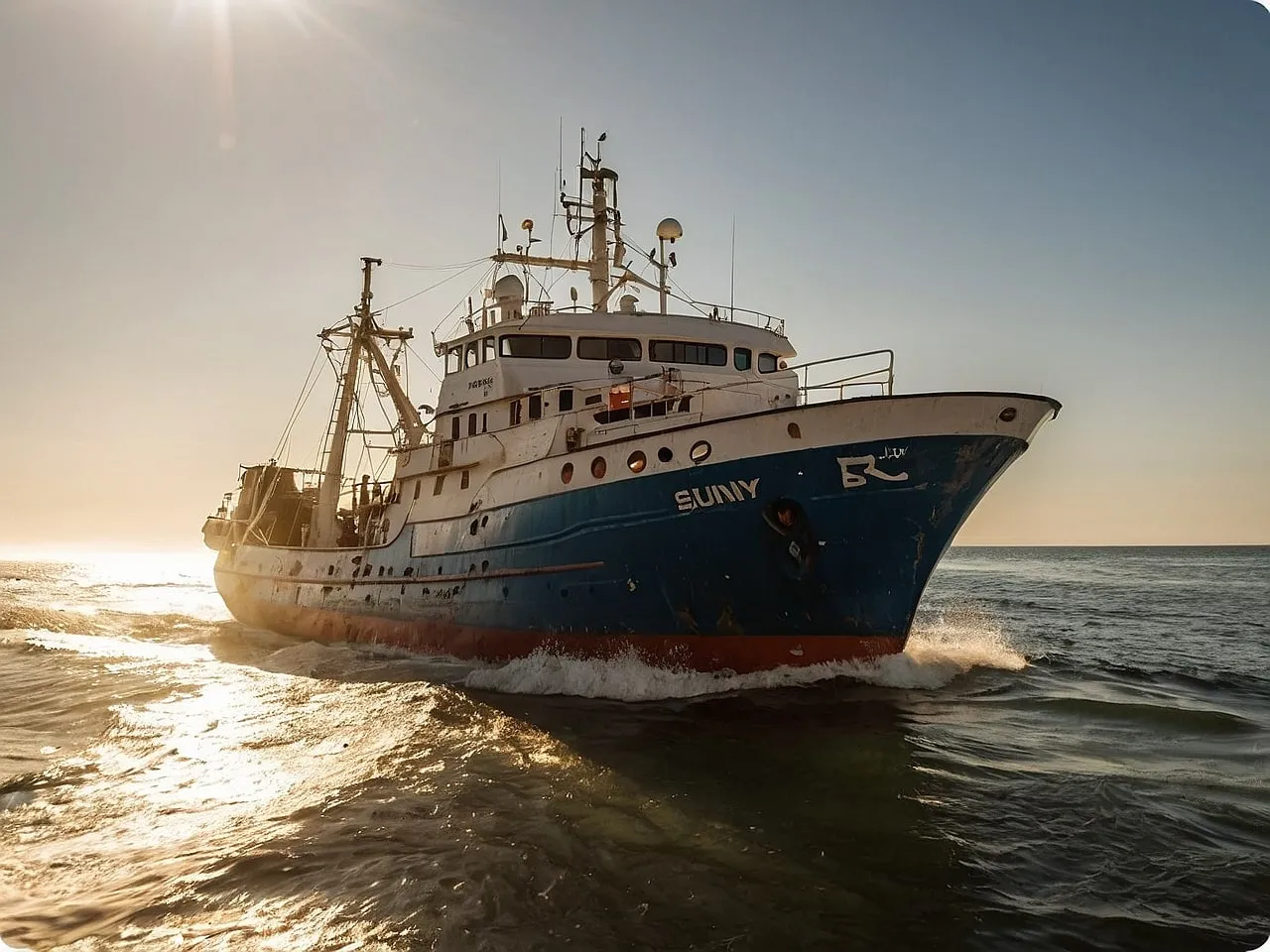
IMO 8716887
Trawler
· Fuel consumption monitoring
· Consumer operating mode monitoring
· Vehicle system status monitoring
· Bunkering monitoring
-
167.3 tons/month
Fuel consumption before installing SKRT
-
154.8 tons/month
Fuel consumption after installation of SKRT
-
12.5 tons/month
Savings already in the first month of use
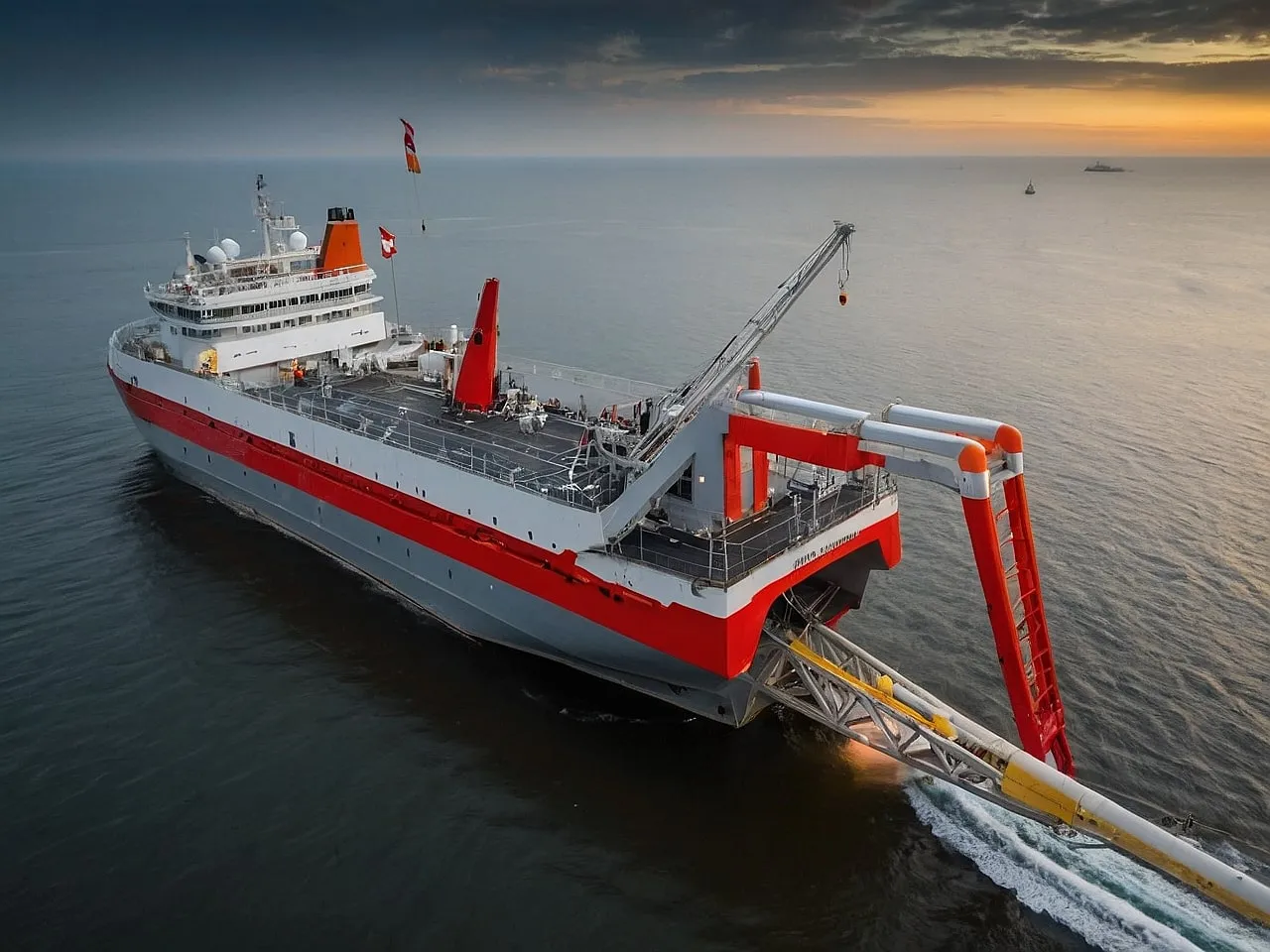
IMO 8674156
Special fleet vessel
· Fuel consumption monitoring
· Consumer operating mode monitoring
· Vehicle system status monitoring
· Bunkering monitoring
diesel generator
(fuel intake)
(fuel dispensing)
-
384,7 tons/month
Fuel consumption before installing SKRT
-
356,2 tons/month
Fuel consumption after installation of SKRT
-
28,5 tons/month
Savings already in the first month of use
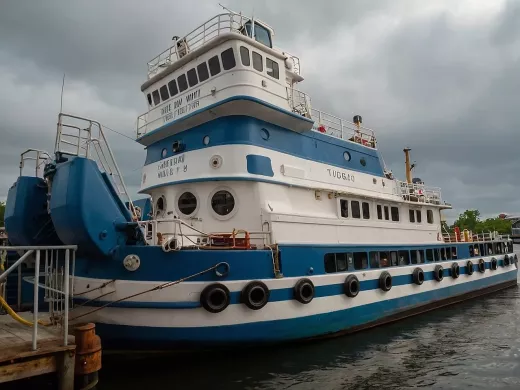
Project H3290
Pusher tug
· Fuel consumption monitoring
· Monitoring consumer operating modes
· Monitoring the status of ship systems
-
83,8 tons/month
Fuel consumption before installing SKRT
-
76,1 tons/month
Fuel consumption after installation of SKRT
-
7,7 tons/month
Savings already in the first month of use
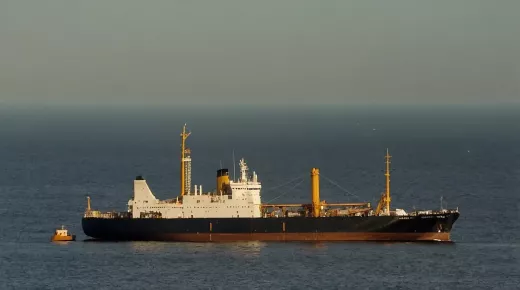
IMO 9418509
Tanker
· Fuel consumption monitoring
· Monitoring consumer operating modes
· Monitoring the status of ship systems
-
84,5 tons/month
Fuel consumption before installing SKRT
-
79,7 tons/month
Fuel consumption after installation of SKRT
-
4,8 tons/month
Savings already in the first month of use
Project RSD59
Dry cargo ship
· Fuel consumption monitoring
· Monitoring consumer operating modes
· Monitoring the status of ship systems
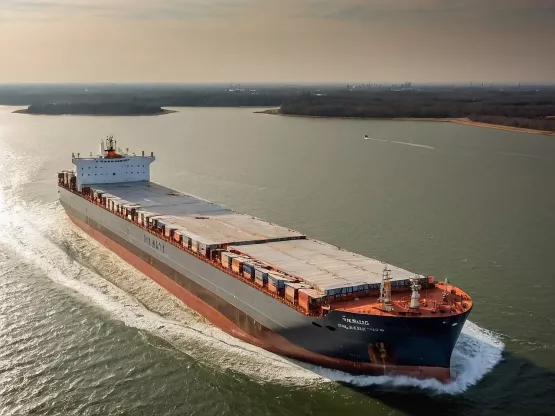
-
229,4 tons/month
Fuel consumption before installing SKRT
-
216,4 tons/month
Fuel consumption after installation of SKRT
-
13 tons/month
Savings already in the first month of use
Project 1440
Fishing vessel
· Fuel consumption monitoring
· Consumer operating mode monitoring
· Vehicle system status monitoring
· Bunkering monitoring
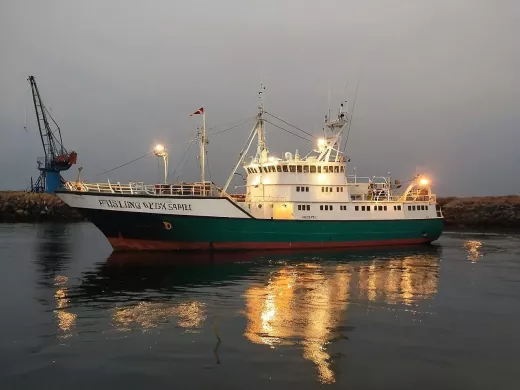
-
66,3 tons/month
Fuel consumption before installing SKRT
-
61,5 tons/month
Fuel consumption after installation of SKRT
-
4,8 tons/month
Savings already in the first month of use
от 3 до 12
месяцев
This is how long it will take to fully pay for the fuel consumption system
Most clients see initial results within the first month.
Want to calculate the ROI of your project?
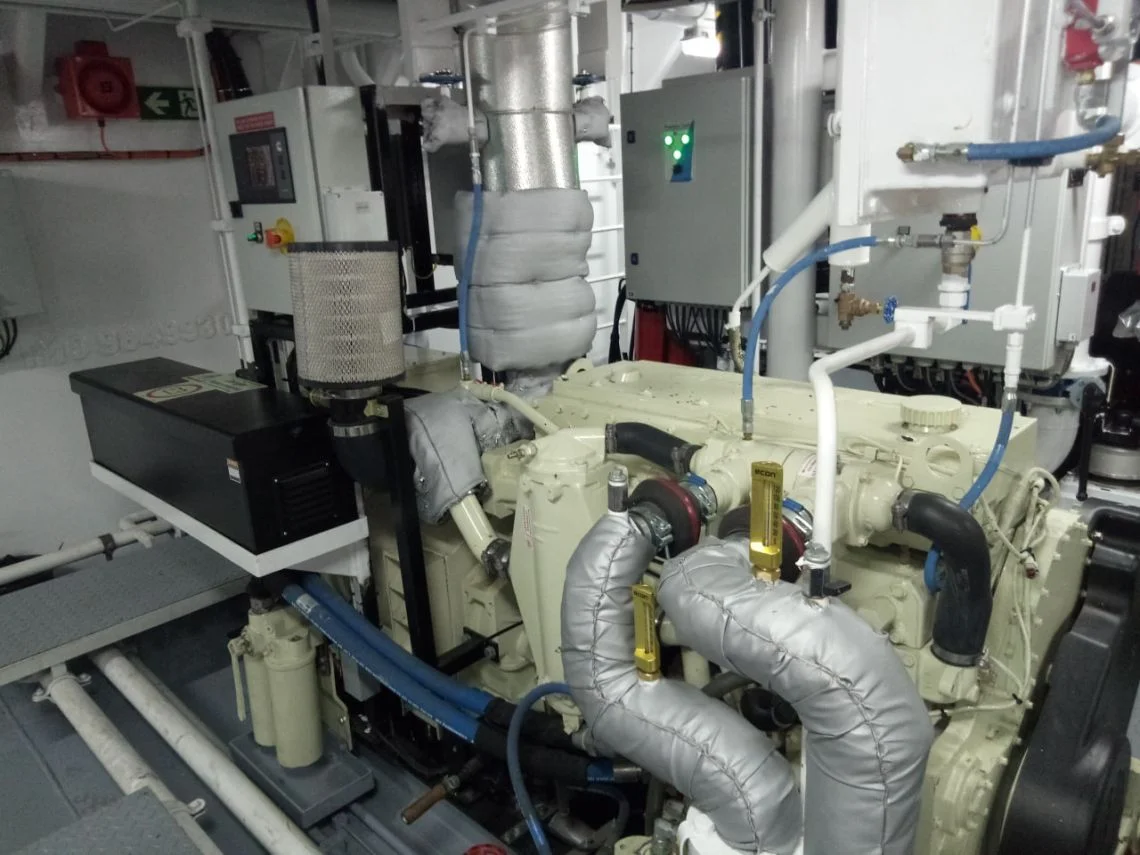
Our signature service program "T&S Service" is another way to improve the conditions and experience of working with us
Our proprietary service program ensures the stability of production processes at your facilities.
We promptly replace failed equipment and devices that are no longer operating normally, without waiting for a technical assessment.
01
02
03
Trusted by industry leaders






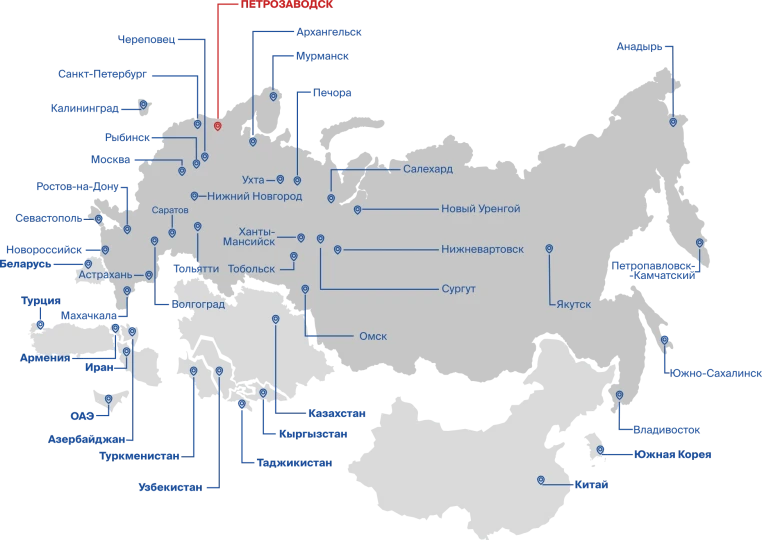
WE WORK WITH CLIENTS ALL OVER THE WORLD
We'll tell you in more detail how we ensure uninterrupted operation of systems
Feedback on our work

“I’ve been using the fuel consumption monitoring system (FCMS) from Technodar Group on our bulk carrier for two years now. During this time, we’ve been able to reduce fuel consumption from 84.5 tons to 76.1 tons per month, saving us approximately 8.4 tons in the first month of use.
This system not only improved cost control but also increased the vessel’s operational efficiency, significantly reducing our operating costs and allowing us to optimize bunkering and equipment condition monitoring processes.”
Denis Volkov
Deputy Head of the Fleet Service

“I implemented the Technodar fuel consumption monitoring system on our fleet of river fishing vessels during the season. The integration was successful thanks to the professional support of the Technodar team, which allowed us to quickly adapt to the new equipment.
During the first month of use, we noticed a significant reduction in fuel consumption, resulting in significant savings and improved overall vessel efficiency. This system not only optimized our costs but also improved vessel health monitoring, which is crucial for successful fishing.”
Igor Lebedev
Head of the Fuel Department