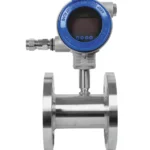
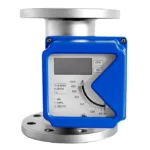
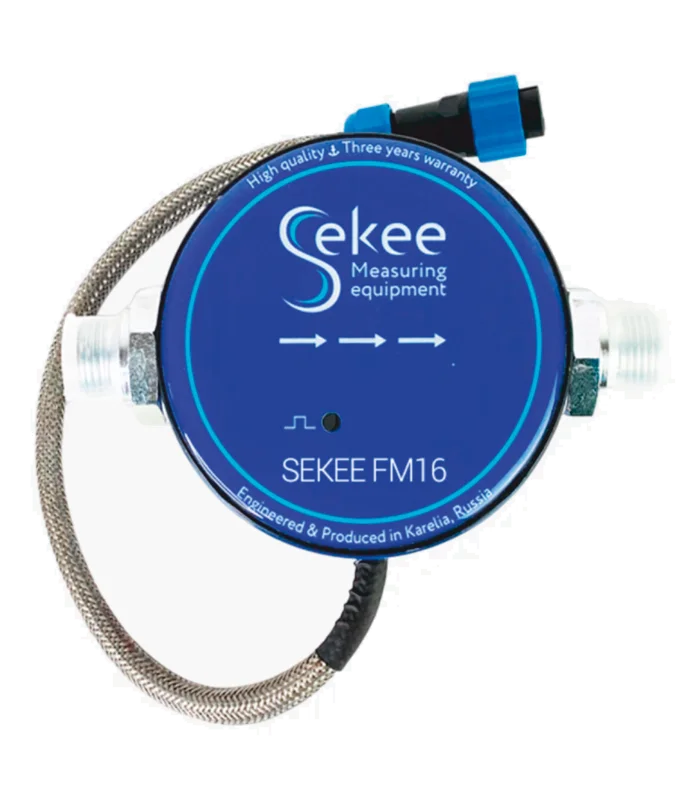
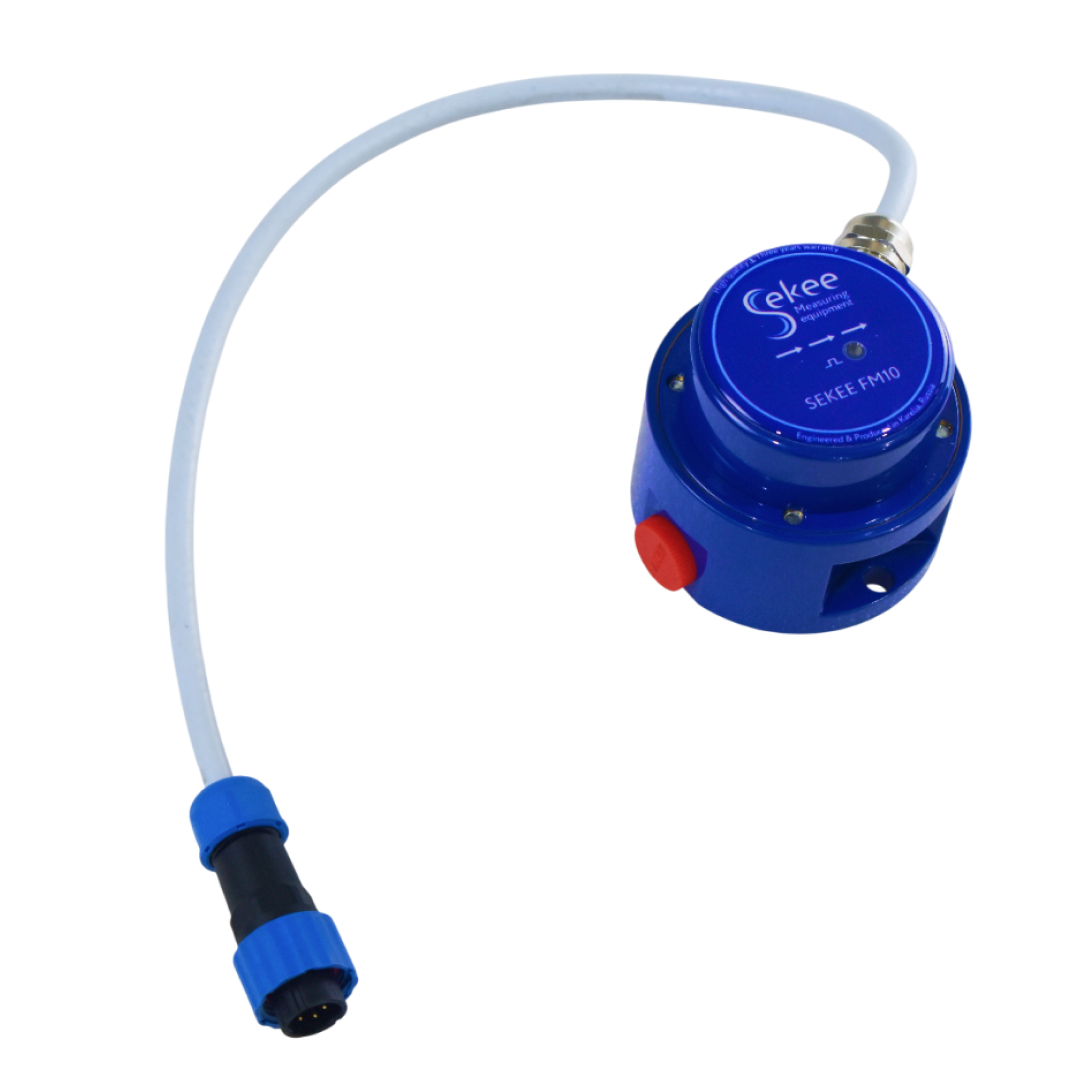
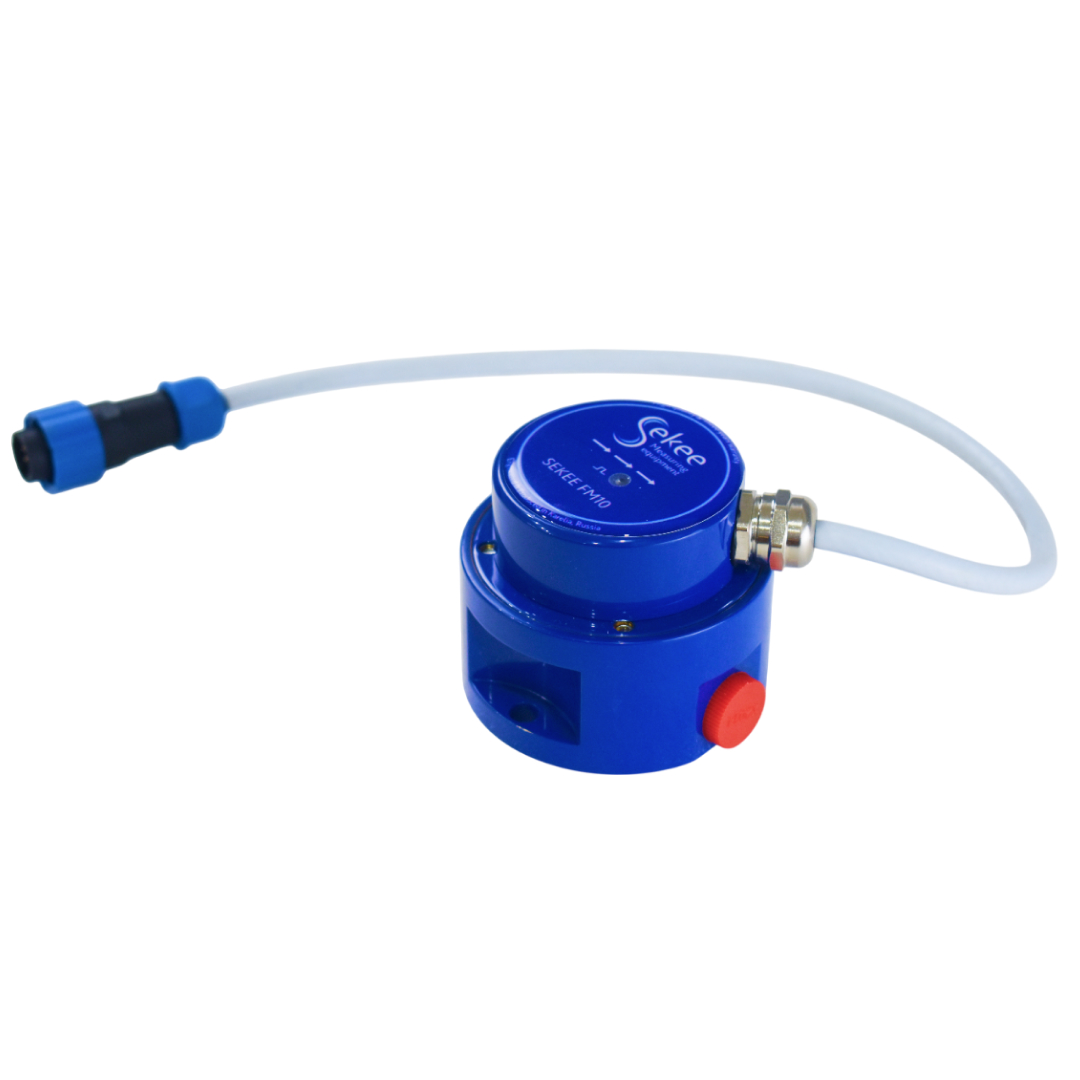
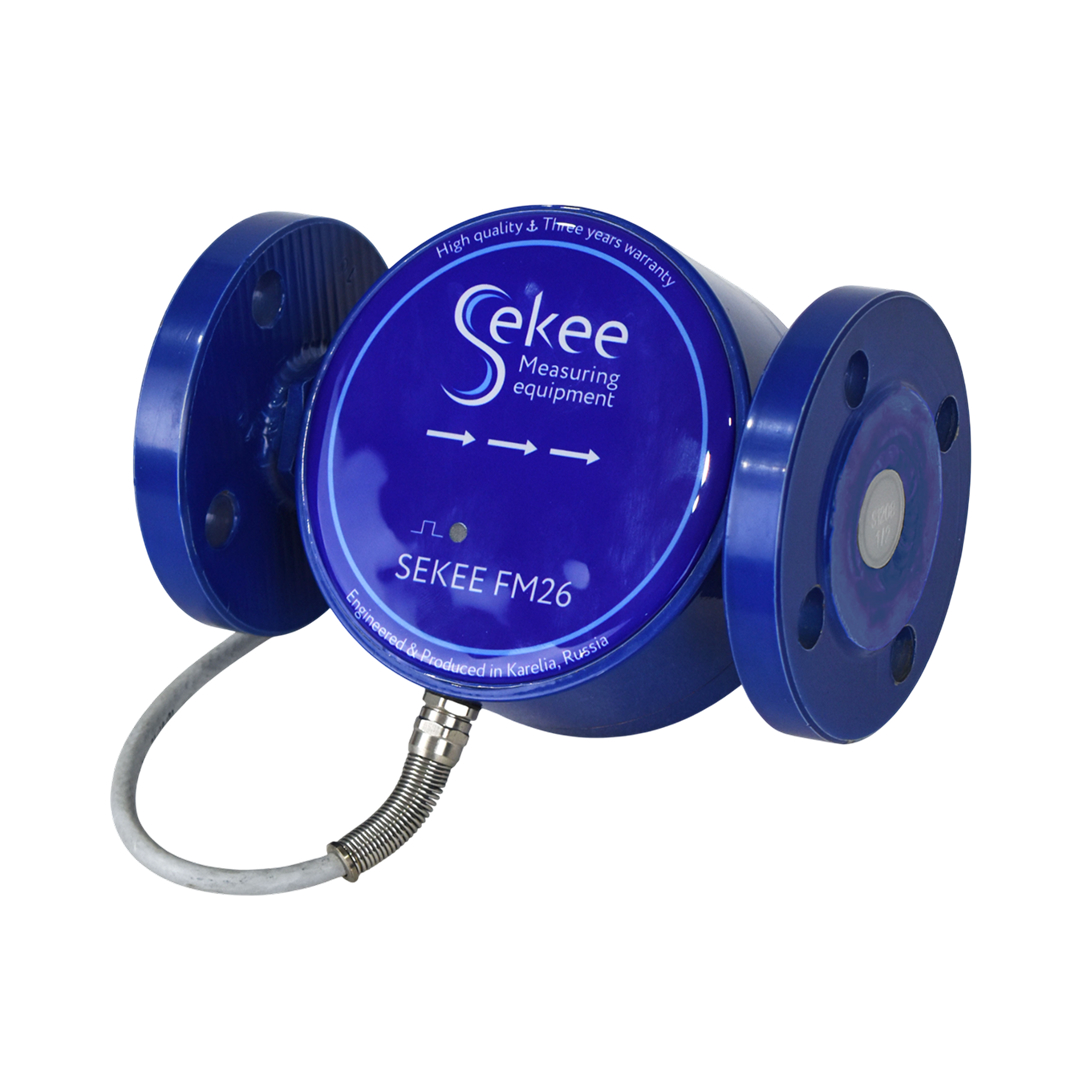
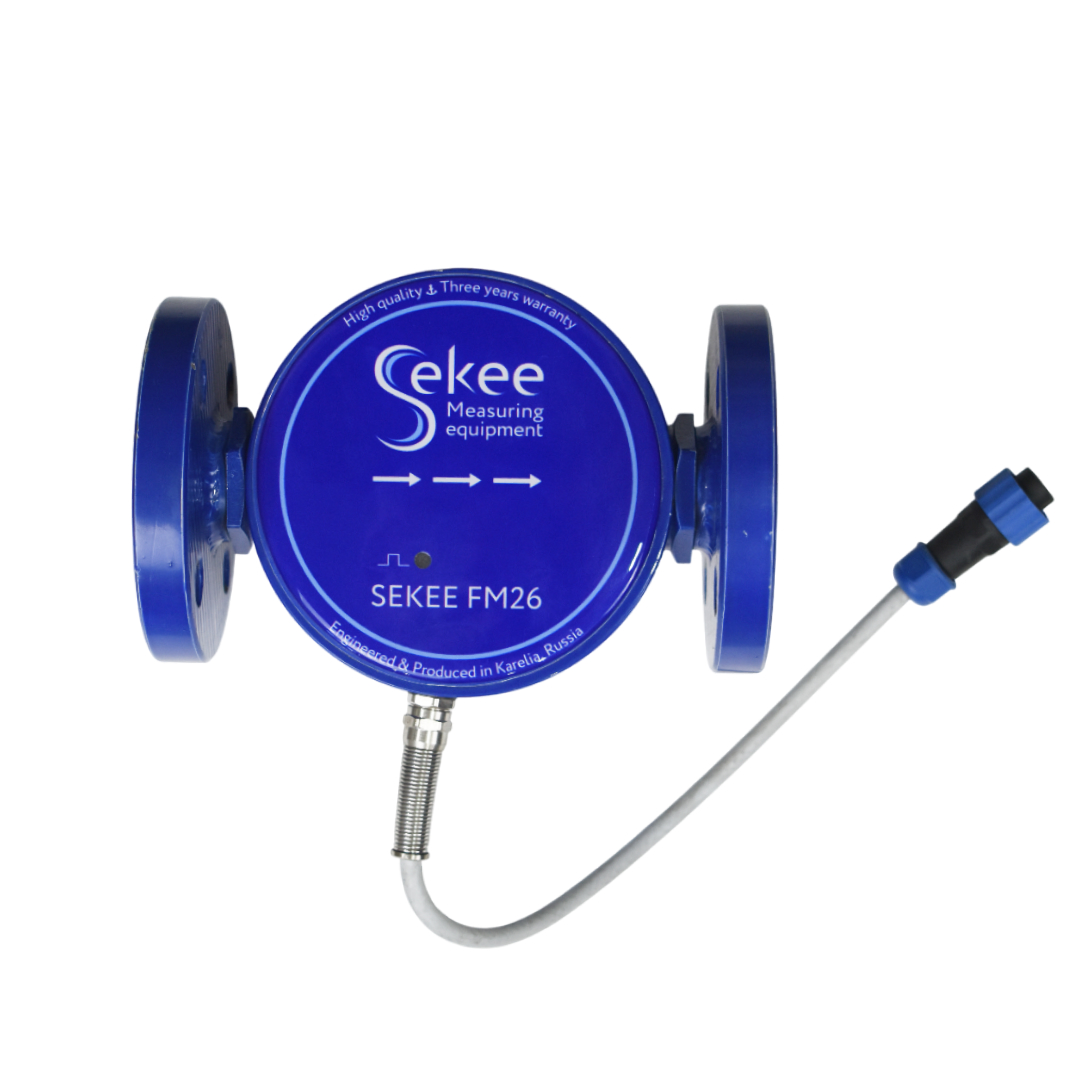
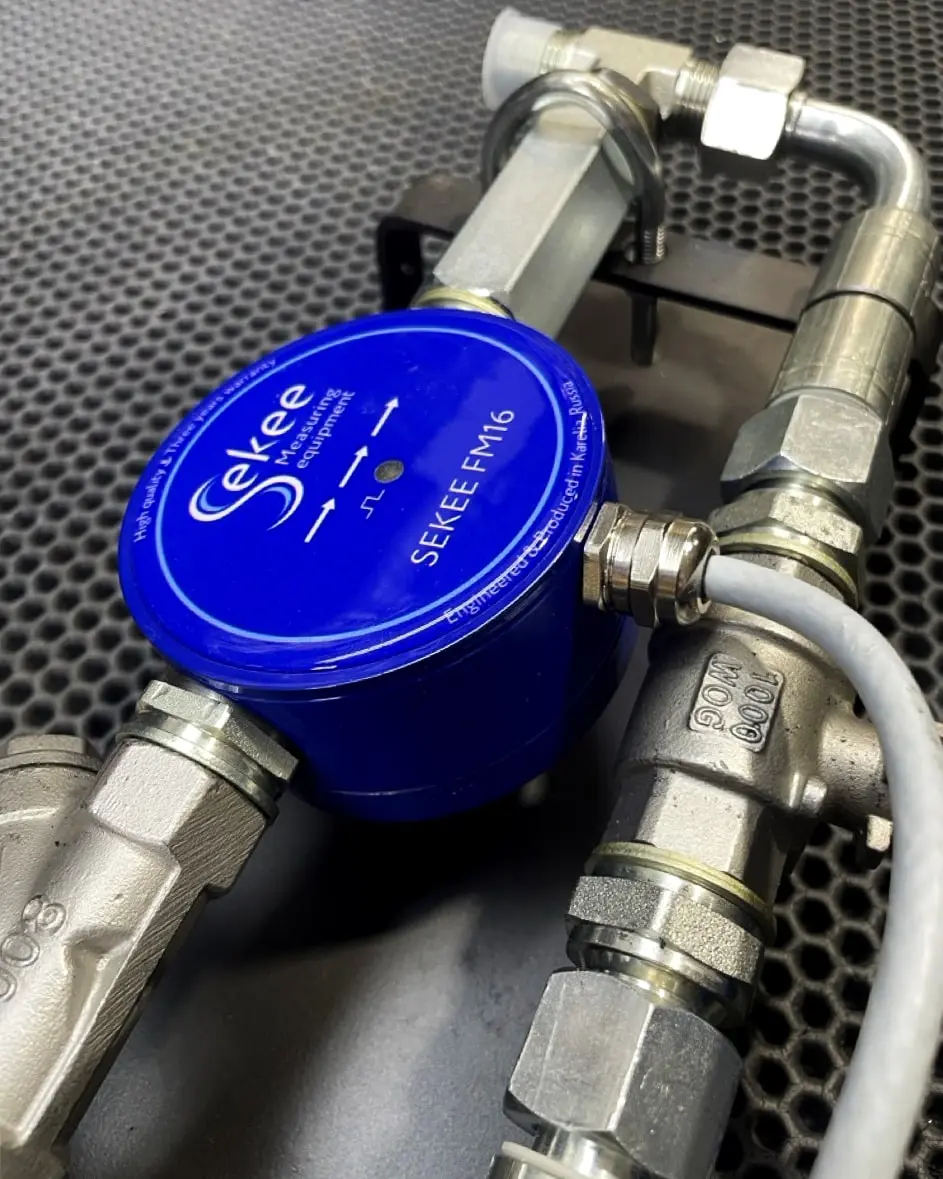
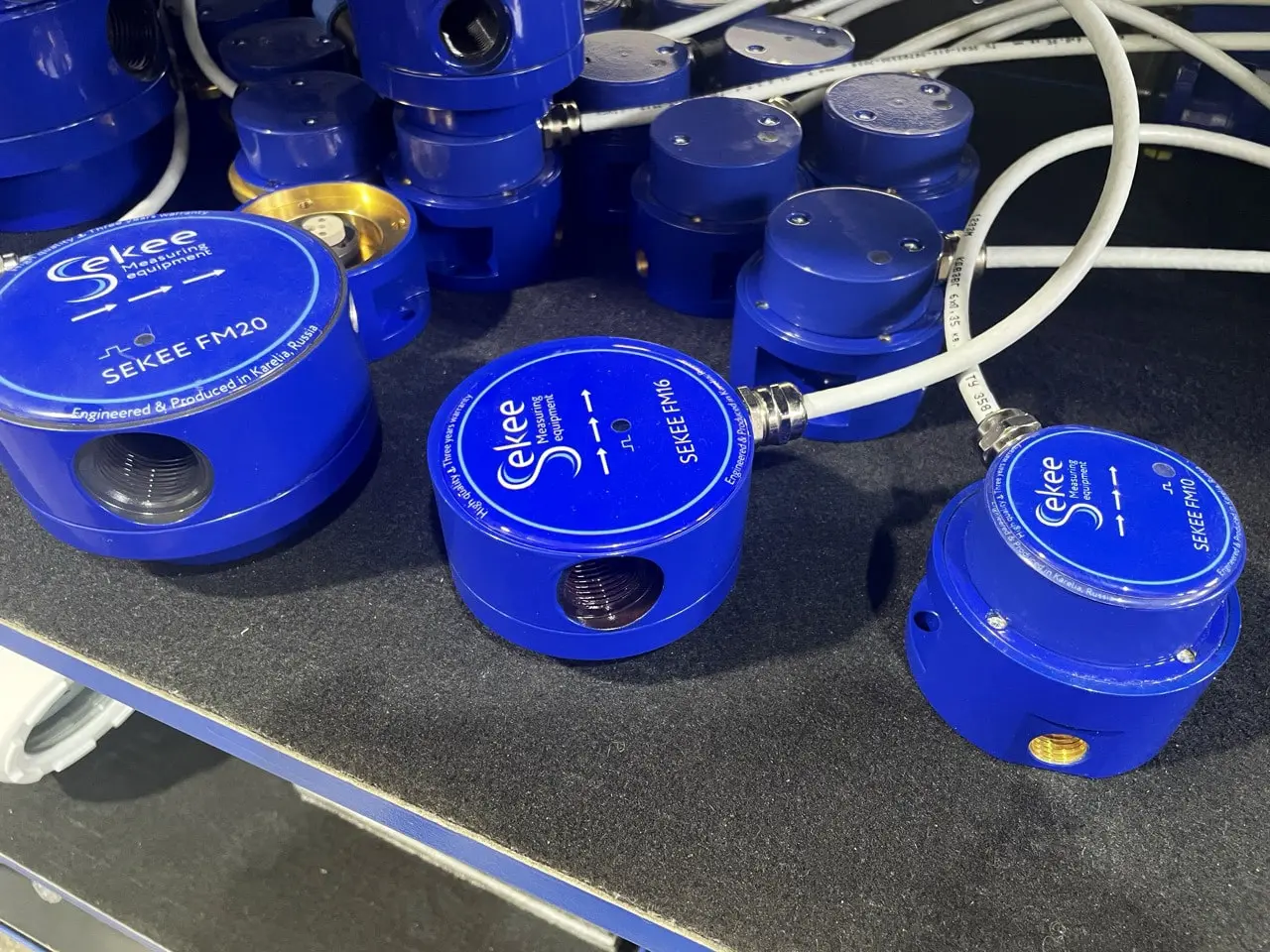
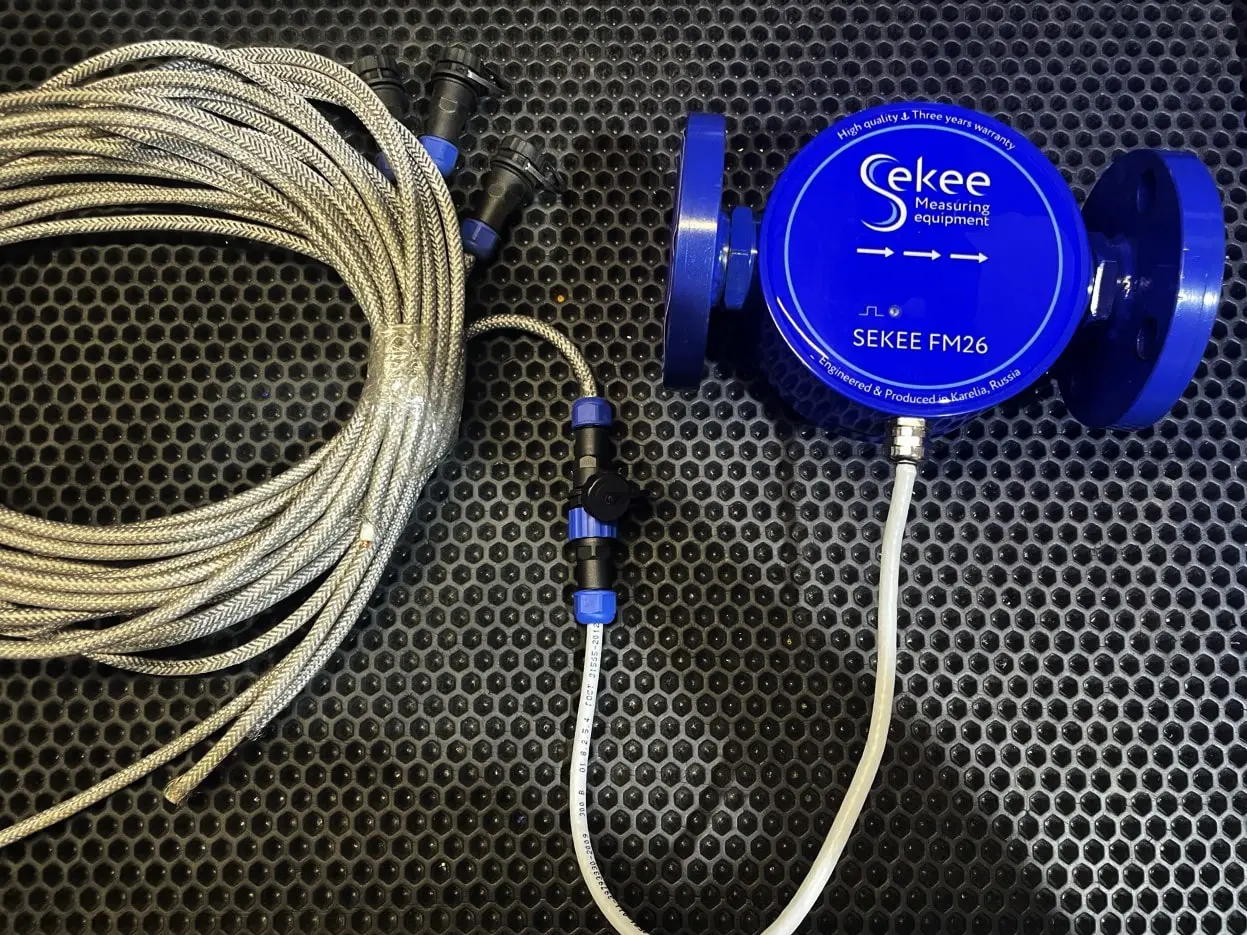
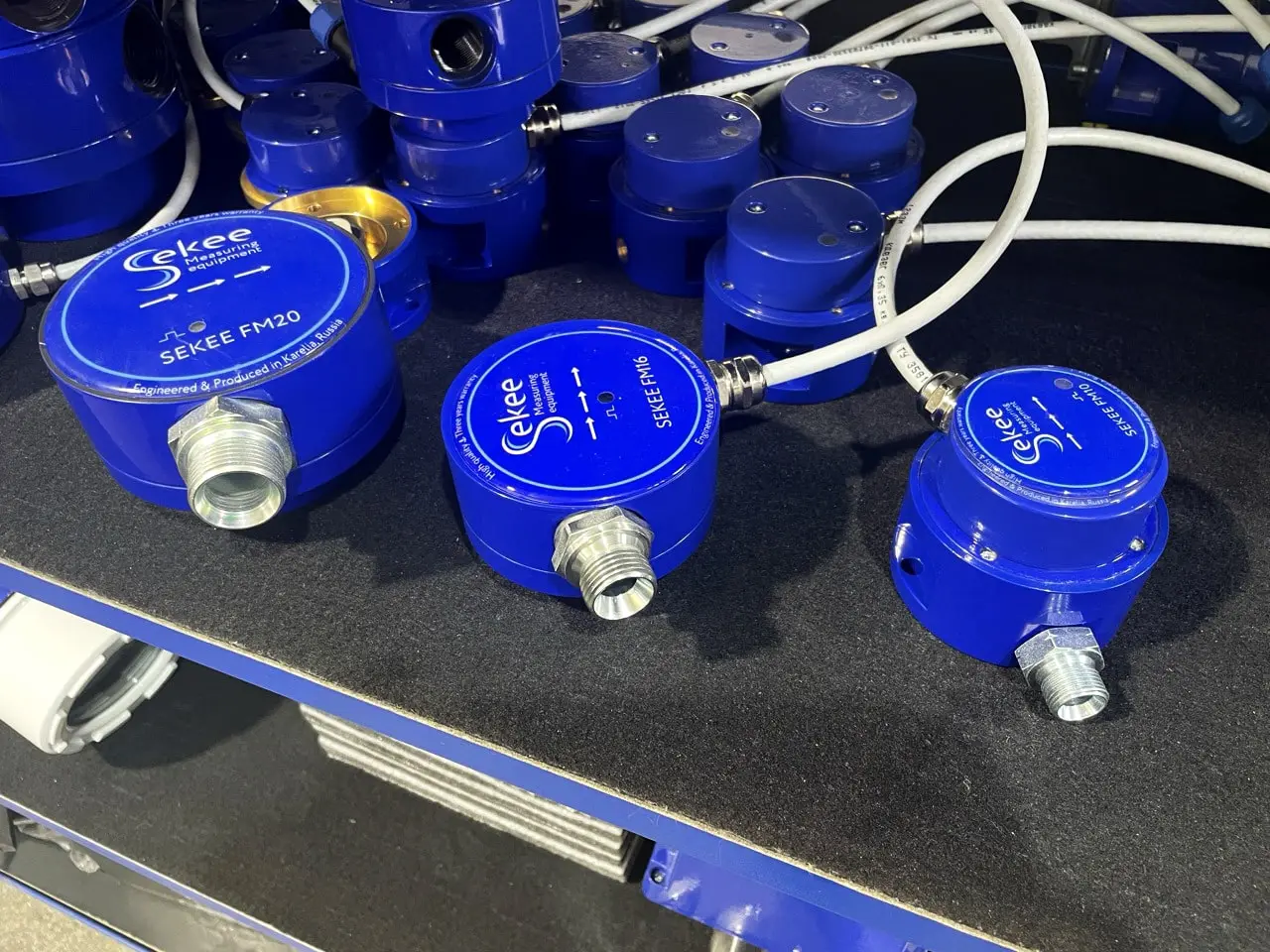
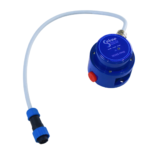
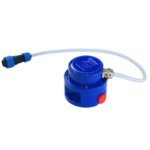
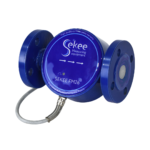
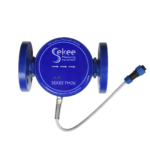
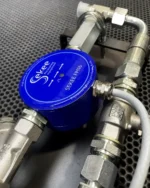
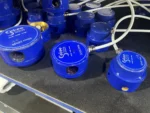
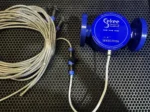
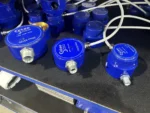
FM mechanical liquid flow meters are devices used to measure the volume of liquid or gas in a system. One of the key features of mechanical flow meters is their simple design. The meters operate based on the flow of liquid entering the measuring chamber through an inlet. The liquid exerts pressure on the walls of an annular piston, and due to the pressure difference between the inlet and outlet of the measuring chamber, this creates a force that moves the piston. The piston, moving through the chamber, displaces a certain volume of liquid with each cycle. Each piston movement generates an electronic pulse in an electronic reader (Hall sensor), which has a corresponding conversion factor for the measured volume.
Another important feature of mechanical flow meters is their ability to handle various types of liquids and gases, including aggressive and highly viscous media. Despite their simplicity, Sekee FM mechanical flow meters are used in a variety of industrial applications. CONTROL SYSTEM INTEGRATION POSSIBILITY: Thanks to digital output signals, mechanical flowmeters can be easily integrated into automated process control systems.
Operating Principle of a Mechanical Flowmeter with a Hall Effect Sensor
The volumetric measurement principle ensures high accuracy for any liquid. The annular piston, driven by differential pressure, reciprocates, displacing a precisely defined volume of liquid per cycle. The Hall Effect sensor records each piston movement, converting the mechanical movement into electronic pulses.
Advantages of the volumetric measurement method:
- Independent of liquid conductivity
- High accuracy at low flow rates
- Stability of readings over time
- Ability to work with viscous media